
Photography
How to photograph jewelry for a more useful AI estimate
A steady, clear photo gives an image-based tool more to inspect. It cannot verify a piece or establish its full market value without examination.
Published
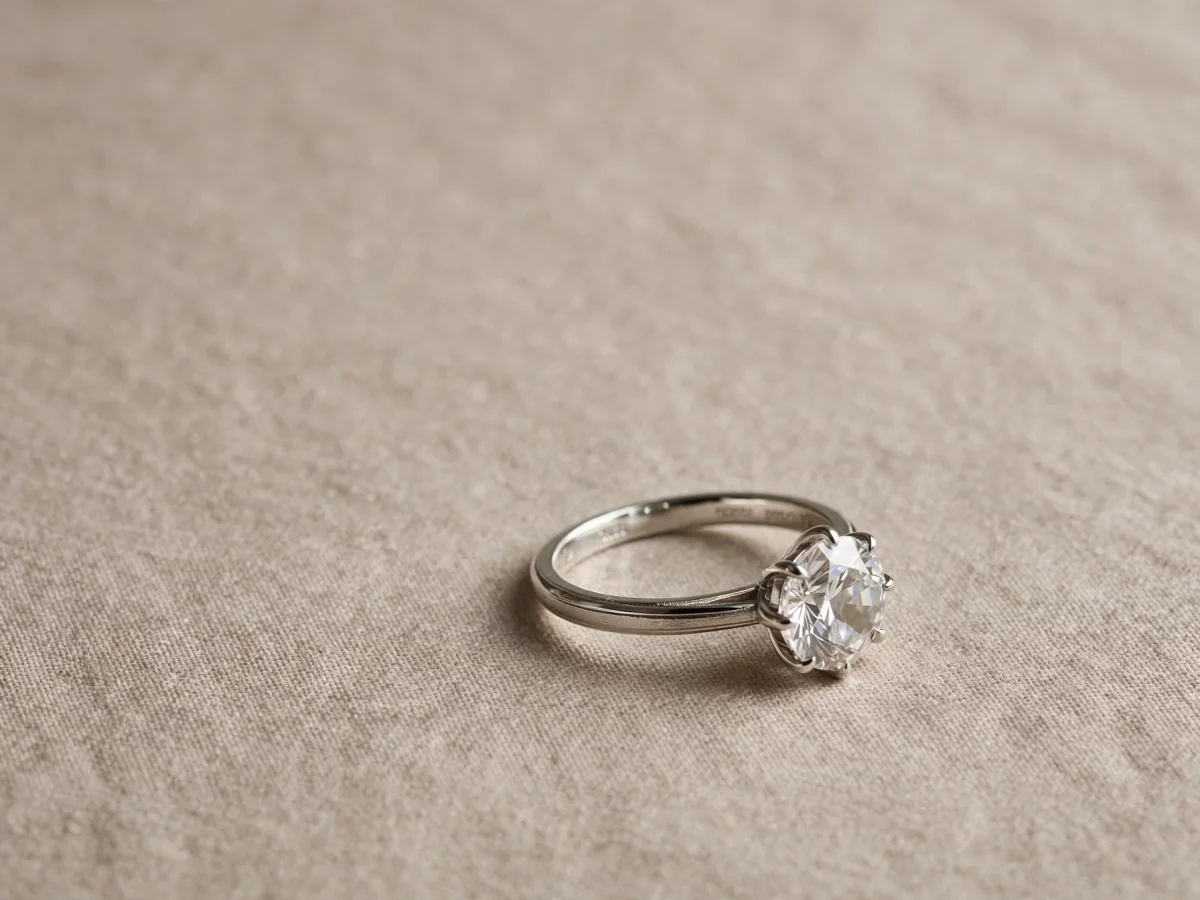
Start with a clean, steady view
Place the piece on a plain surface that gives it contrast. Remove visual clutter from the area around it, then check that the whole piece sits inside the frame. A neutral background can make the outline easier to see without adding another color cast.
Wipe away fingerprints with a soft cloth if the piece can be cleaned safely. Set the phone on a stable surface or hold it with both hands, tap the piece to focus, and wait for the image to settle before capturing it.
Use gentle, consistent light
Bright direct light can create sharp reflections on polished metal and bright spots on transparent stones. Try indirect daylight near a window or soften a lamp with a translucent white surface placed safely between the light and the jewelry. Avoid mixing daylight with a warm lamp if the color matters to your question.
The Gemological Institute of America’s photography guidance recommends diffused light for showing gemstone color and polished metal, while noting that different materials can benefit from different lighting. The goal for an identification photo is a readable view, not a dramatic product shot.
Show the detail you want to ask about
For a ring, frame the setting and band. For a necklace, include the pendant and enough chain to understand the piece. If a clasp, stamp or side profile matters, take a separate close view and submit it as another image. One photo rarely captures every useful angle.
Keep the camera close enough for the detail to be visible, but avoid digital zoom if it makes the image soft. A sharp overall view is usually more useful than a highly magnified blur.
Use the result as a prompt for better questions
CaratAI analyzes the image you provide. It may offer observations about jewelry type, material, gemstones, style and an estimated value. Those outputs are AI estimates; a picture cannot establish every material, treatment, repair, origin or market factor.
If an answer could affect a sale, insurance, estate or authenticity decision, pause and seek an independent professional examination. A clearer photo improves the starting point, not the certainty of the conclusion.
Sources and further reading
- How to Photograph Gems & Jewelry — GIA — Photography guidance on focus, backgrounds, lighting and positioning.
Keep exploring
All blog posts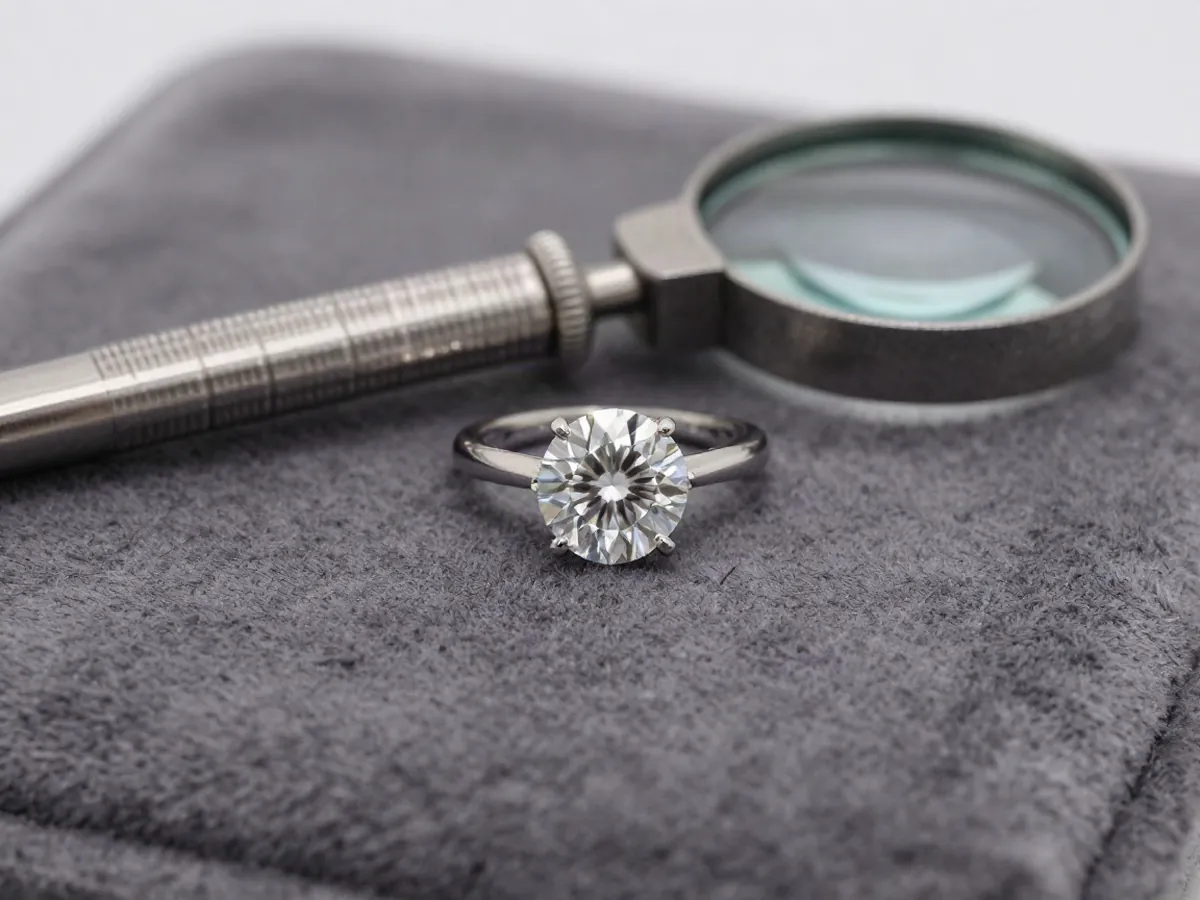
How to tell if a diamond is real: myths and reliable checks
The fog test, the water glass and the newspaper trick are everywhere, but none of them can prove a diamond is real. Here is what home checks can honestly tell you, what a jeweler's tester measures, and how a grading report settles the question.
Read article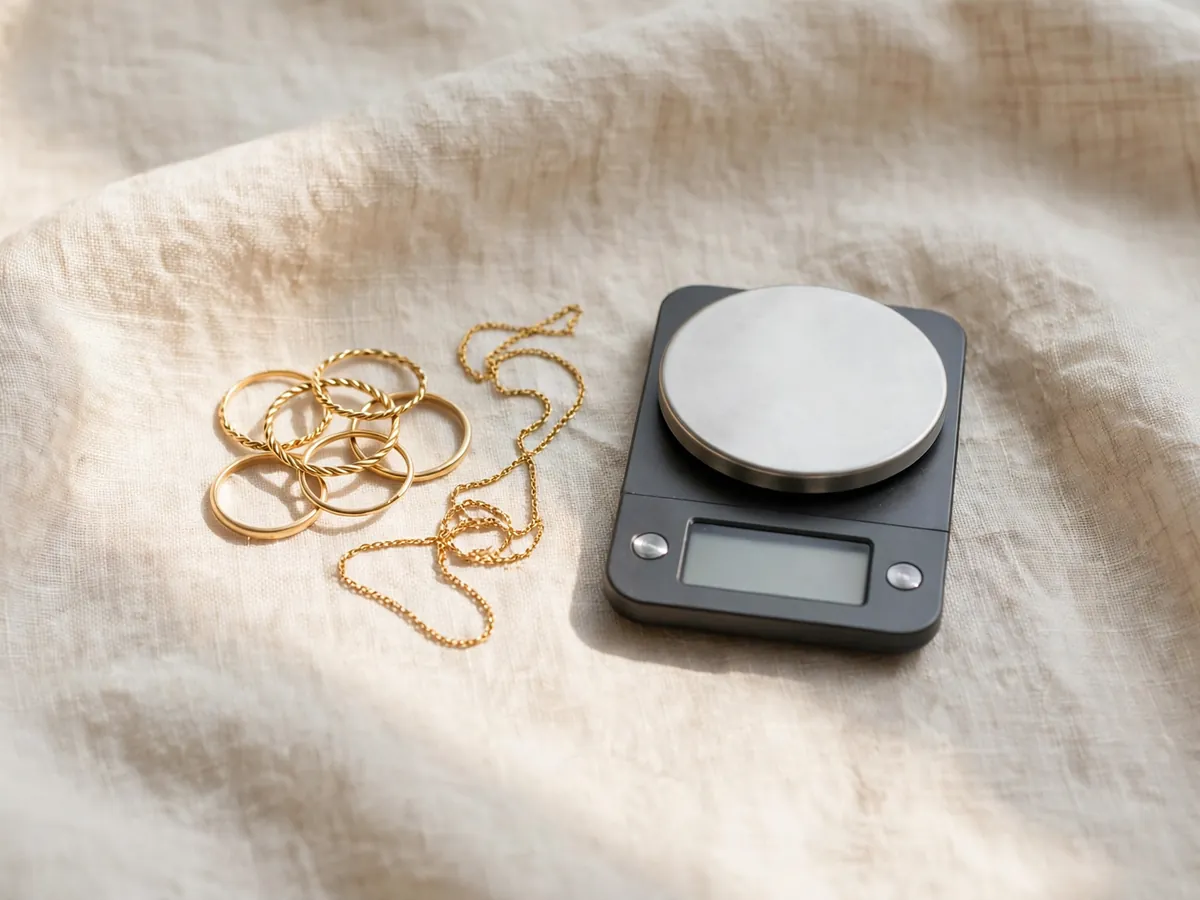
Gold price drop: what it means for the value of your gold jewelry
Spot gold fell below $3,900 an ounce on October 30, 2026, its lowest level in more than a year. Here is how a falling gold price changes the melt value of your rings and chains per gram by karat, what it does and does not do to buyer offers, and how to recalculate your own pieces.
Read article